
Agroecology and Water Usage: A Sustainable Path for Agriculture
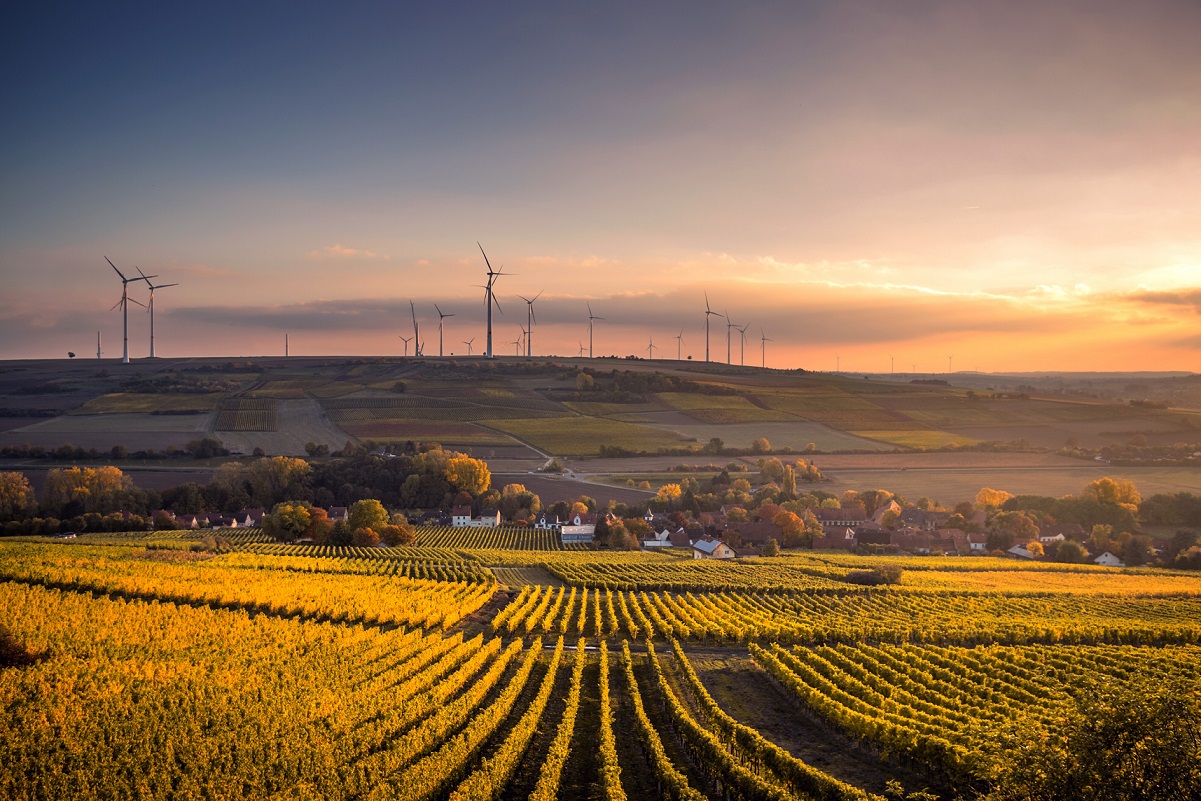
In a world where water availability is becoming an increasingly urgent issue, the connection between agriculture and water management is more important than ever. Traditional farming methods often place heavy demands on water resources, leading to overexploitation, pollution, and degradation of aquatic ecosystems. Agroecology, on the other hand, offers a more sustainable and holistic approach to food production, where efficient and responsible water use, alongside ecological balance and resilience, takes center stage.
What is Agroecology?
Agroecology is an interdisciplinary field combining agricultural science with ecology, drawing on traditional knowledge, modern science, and sustainable practices. It’s not just about growing food but about the entire ecosystem in which agriculture operates. Agroecology promotes biodiversity, healthy soils, integrated pest management, and, critically, efficient water use.
Unlike conventional agriculture, which often prioritizes maximizing yields through synthetic inputs and intensive water usage, agroecological methods are designed to work with nature, foster resilience to climate variations, and ensure long-term sustainability.
Water and Agriculture: The Challenge
Water is a vital resource for agriculture, accounting for approximately 70% of global freshwater usage. However, many of the world's largest agricultural regions face growing challenges related to water management:
Overexploitation: Intensive irrigation often leads to the depletion of groundwater supplies, especially in arid and semi-arid areas.
Water Pollution: The use of chemical fertilizers and pesticides in conventional farming contributes to water pollution, harming aquatic ecosystems and threatening human health.
Climate Change: Changing weather patterns, such as droughts and floods, affect water availability for agriculture, leading to crop failures and water scarcity.
Given these challenges, it’s clear that the future of agriculture must be reshaped with sustainability at its core. Agroecology offers an innovative solution to optimize water use while ensuring environmental health and food security.
Agroecological Principles for Efficient Water Use
Agroecology emphasizes a systems-based approach to farming, where water use is integrated into broader ecological and agricultural strategies. Here are some key agroecological practices that can enhance water-use efficiency:
Soil Health and Water Retention: Healthy soil is the foundation of effective water management. Practices such as cover cropping, composting, and reduced tillage improve soil structure and increase water infiltration and retention. Soils rich in organic matter can hold more water, reducing the need for frequent irrigation and enhancing drought resilience.
Agroforestry and Multifunctional Landscapes: Agroforestry, the integration of trees into agricultural landscapes, can play a crucial role in water management. Trees help regulate the water cycle by reducing runoff, improving groundwater recharge, and maintaining microclimates that reduce evaporation. Additionally, tree roots stabilize the soil, preventing erosion and water loss.
Rainwater Harvesting and Integrated Water Management: Agroecology encourages the use of rainwater harvesting to collect and store water for dry periods. This is particularly important in areas with seasonal rainfall patterns. Integrated water management strategies, such as using diverse water sources like ponds, wetlands, or small irrigation systems, help reduce reliance on external water supplies.
Efficient Irrigation Techniques: Agroecological systems emphasize low-tech, water-saving irrigation methods such as drip irrigation or water-saving mulching. These methods focus on delivering water directly to plant roots, reducing evaporation and runoff while maximizing the efficiency of each drop.
Biodiversity and Water Quality: Promoting biodiversity in agroecological systems also benefits water quality. Diverse ecosystems, such as wetlands or buffer zones along waterways, can act as natural filters to prevent pollutants from reaching water bodies, reducing the need for costly water purification. This approach also helps maintain water balance within the landscape and supports ecosystem health.
The Role of Agroecology in Climate Resilience
Agroecology provides a climate-resilient approach to water resource management. As climate change leads to more unpredictable precipitation patterns, agroecological systems offer flexibility by diversifying water-use strategies and building adaptability. For example, agroecological farms can incorporate drought-resistant crops or drought-tolerant agroforestry species that thrive under changing climate conditions.
Moreover, by promoting biodiversity and reducing reliance on external inputs, agroecology strengthens the overall health of agricultural ecosystems, enhancing their capacity to recover from climate-induced shocks such as floods, droughts, and heatwaves.
The Future of Agriculture: A Vision for Water Sustainability
Agroecology presents a compelling vision for more sustainable and resilient agriculture, where water use is carefully considered within a broader ecological framework. By prioritizing soil health, biodiversity, water conservation, and sustainable land management, agroecology provides the tools needed to address the global water crisis and ensure food security for future generations.
As governments, farmers, and communities worldwide strive to mitigate the effects of climate change and preserve valuable water resources, agroecology offers an invaluable path toward a future where agriculture flourishes in harmony with nature.
Conclusion
Agroecology and sustainable water use are not just compatible—they are inseparable. The health of our soils, ecosystems, and water resources is interconnected, and solutions that integrate these elements are crucial to building a more sustainable agricultural system. By embracing agroecological practices, we can reduce water consumption, restore water quality, and ensure that agriculture remains a viable and resilient source of food for a growing global population.
You should also read:

HSB Living Lab: Groundbreaking Research for a Sustainable Water Future
In a time where water scarcity is becoming an increasingly pressing challenge, it is crucial that we find innovative solutions to manage and preserve our…